
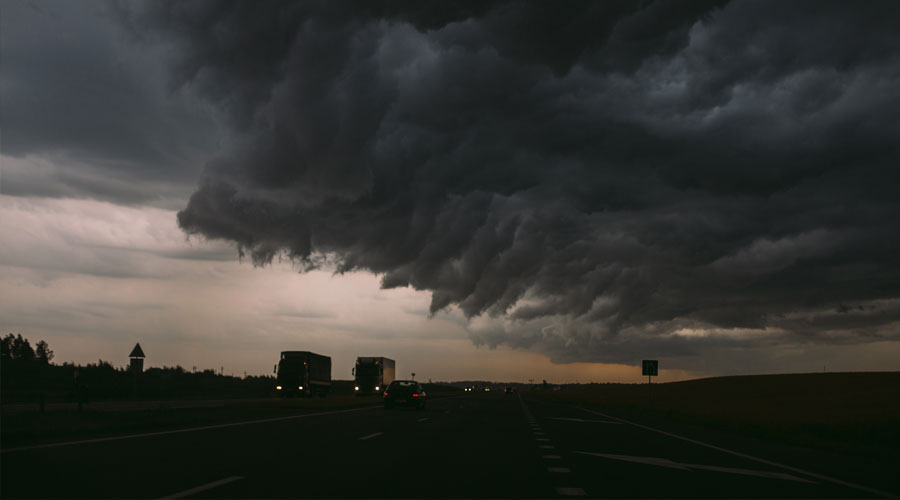
Extreme weather events—ranging from floods and wildfires to tornadoes and severe storms—are becoming more frequent, more destructive and more costly. For businesses that rely on commercial fleets, these events can lead to significant vehicle damage, operational downtime and financial strain.
Whether vehicles are on the road or parked, they remain highly vulnerable to catastrophe (CAT) losses. As a result, businesses must take a proactive approach by developing comprehensive CAT plans that address weather-related risks and outline clear response strategies. With the right planning in place, organizations can reduce disruptions and recover more effectively when disaster strikes.
Strengthening Your Insurance Strategy
A well-structured insurance portfolio is the foundation of any effective CAT plan. Businesses should regularly review their coverage to understand how different policies respond to catastrophic events and identify any potential gaps.
Commercial auto insurance is the primary line of defence for fleet-related losses. Ensuring comprehensive physical damage coverage—rather than collision-only protection—is critical, particularly for events such as flooding or wildfires.
Beyond auto coverage, additional policies can provide valuable protection. Inland marine insurance may cover tools and equipment transported within vehicles, while business interruption and extra expense insurance can help offset income loss if operations are disrupted. Working with a trusted insurance advisor can help clarify exposures and ensure coverage aligns with your specific risks.
Planning Ahead for Extreme Weather
Effective CAT planning starts with understanding your risk exposure. Certain regions are more susceptible to specific types of extreme weather, making it essential to conduct a thorough risk assessment of your operations and fleet locations.
From there, businesses can implement practical steps to prepare for potential disasters:
- Relocate vehicles when needed
Identify alternate parking or storage locations for vehicles in high-risk areas, such as flood zones or wildfire-prone regions. Prioritize relocating the most critical vehicles first. - Maintain fuel and service readiness
Ensure backup locations are equipped with sufficient fuel and essential maintenance supplies so fleet operations can continue if disruptions occur. - Train employees thoroughly
Staff should understand when and how to relocate vehicles, as well as safe driving practices during hazardous conditions—such as adjusting speed, increasing following distance and following road closures. - Establish clear communication channels
Define roles and responsibilities in advance and implement reliable communication systems to keep employees informed before, during and after an event.
Defining Actions for Every Phase
A strong CAT plan outlines specific actions for each stage of an extreme weather event, triggered by alerts such as storm warnings or evacuation notices.
- Before an event
When severe weather is forecasted, businesses should notify employees, begin relocating vehicles, activate communication protocols and secure critical documents. This includes insurance policies, vehicle records, maintenance logs and key contact information. - During an event
Safety must remain the top priority. Fleet operations should only continue if conditions are deemed safe by local authorities. Drivers should exercise caution, report incidents immediately and follow all emergency directives. Keeping customers and vendors informed of potential disruptions is also essential. - After an event
Recovery efforts begin once conditions stabilize. This includes inspecting vehicles and equipment, prioritizing repairs, arranging temporary transportation if needed and ensuring adequate staffing for recovery tasks. Businesses should also document all damage thoroughly and begin the claims process as soon as possible.
Supporting Efficient Claims and Recovery
A well-prepared claims process can significantly accelerate recovery. Businesses should gather detailed documentation of all losses—including photos, videos and cost estimates—and share this information promptly with their insurers.
Providing insight into your disaster preparedness and response efforts can also support smoother claims handling, helping insurers better understand how risks were managed.
Once recovery is complete, it’s important to evaluate the overall response. Reviewing losses, identifying gaps and analyzing claims data can help refine your CAT plan and strengthen your approach to future events. This is also an ideal time to reassess insurance coverage and make any necessary adjustments.
As extreme weather events continue to escalate, businesses must be prepared for the impact on their commercial fleets. A well-developed CAT plan—supported by strong insurance coverage, proactive planning and clear response procedures—can make all the difference in minimizing disruptions and financial losses.
For additional guidance on building a resilient risk management strategy, contact our team today.