
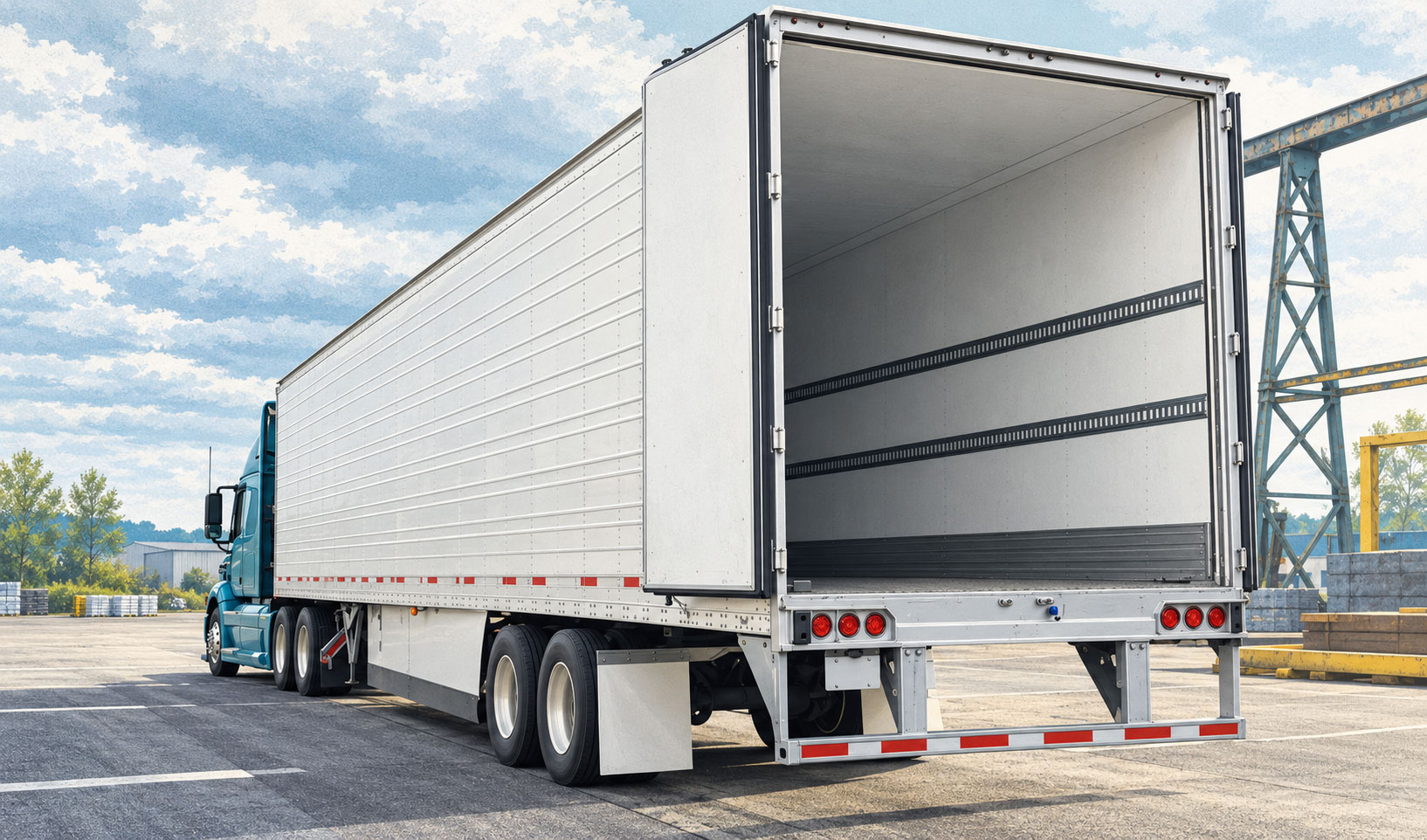
Cargo theft has traditionally been viewed as a physical security issue. Fleets protect trailers, secure yards, monitor equipment, and invest in tracking technology because these controls reduce theft risk.
Those measures still matter, but the nature of cargo theft is changing.
Today, organized theft increasingly involves stolen carrier identities, fraudulent pickups, fake brokerage arrangements, spoofed communications, and deceptive delivery instructions. In some cases, the freight is not physically stolen from a truck at all. It is released to the wrong party because that party appeared legitimate.
That changes the nature of the risk. Preventing cargo theft increasingly depends on knowing who you are doing business with, not just securing the load.
Cargo Theft Is Becoming More Sophisticated
Traditional theft remains a serious concern. Trailers are still stolen from yards, loads disappear from parking areas, and high-value freight continues to attract organized criminal activity.
The difference is that some theft schemes now rely as much on deception as they do on physical access.
Criminals may impersonate legitimate carriers, use falsified documents, obtain freight through fraudulent brokerage arrangements, or redirect shipments using altered instructions. In other cases, valid-looking carrier information may have been compromised or taken over by another party.
For fleets, brokers, shippers, and customers, that creates a more difficult problem. A company may follow what appears to be its normal process and still unknowingly release freight to someone who should never have had access to it.
Verification Has Become Part of Cargo Security
When fraud is involved, traditional security measures address only part of the exposure.
A secure yard cannot prevent a fraudulent carrier from being assigned a shipment, and a tracking device cannot stop someone from altering delivery instructions before the freight leaves the facility. That means verification needs to become part of the cargo security process.
Transportation companies benefit from reliable procedures to confirm who they are dealing with before freight changes hands. Depending on the circumstances, that may include independently verifying carrier identities, checking whether contact information matches established records, reviewing operating history, and confirming unexpected changes to pickup or delivery instructions through a trusted channel.
The goal is not to make every transaction slower or more complicated. It is to introduce enough verification to catch inconsistencies before the freight is released.
Dispatch and Driver Procedures Matter
Cargo security is not only a management responsibility. Dispatchers and drivers are often closest to the transaction and may be the first to notice when something doesn’t seem right.
A pickup location may change unexpectedly. A familiar contact may begin using a different email address. A delivery instruction may conflict with the original paperwork. Any of these situations can be legitimate, but they can also be warning signs.
Clear internal procedures help employees know when to stop, verify, and escalate rather than simply follow an unexpected instruction. This is especially important when loads are time-sensitive, because urgency can make fraudulent requests more convincing and discourage people from slowing down to ask questions.
Subcontracting Can Add Another Layer of Risk
Transportation networks often involve multiple parties, and each handoff creates another point where identity, authority, and responsibility must be clear.
A carrier may subcontract work, a broker may place a load with a company it has not previously used, or a shipper may rely on several logistics providers to move freight through different stages of the journey. None of these arrangements is inherently problematic, but they do make visibility more important.
Companies need to understand who is actually moving the freight and whether that party has been properly verified. Assuming that a familiar company is performing the work itself can create problems if the load has been reassigned without appropriate oversight.
Insurance Is Only One Part of the Protection Strategy
Cargo insurance remains an important part of managing the financial consequences of theft, but coverage depends on the policy, the commodity, the circumstances of the loss, and any applicable conditions or exclusions.
That makes it important to understand how the policy responds to the types of theft the business may realistically face. It also reinforces why prevention cannot be treated as an insurance issue alone.
The best outcome is not simply having coverage that responds after cargo disappears. It is reducing the likelihood of loss in the first place through stronger operational controls, better verification, and clearer communication.
Cargo Security Is Becoming a Business Process
Modern cargo security requires a broader approach than locks, cameras, and tracking devices alone.
Physical security still matters, but it increasingly needs to work alongside carrier and broker verification, dispatch procedures, driver awareness, cybersecurity, subcontracting controls, and consistent communication with customers and logistics partners.
These measures are most effective when they function as one process rather than as separate controls. A company with strong physical security but weak verification may still be vulnerable, just as a company with good technology can remain exposed if internal procedures are inconsistent.
Cargo protection increasingly depends on how the entire transaction is managed from assignment through delivery.
Questions to Consider
- How does your team verify unfamiliar carriers, brokers, or logistics partners?
- Are unexpected changes to pickup or delivery instructions independently confirmed?
- Do drivers and dispatchers know when to stop and escalate a suspicious request?
- If freight is subcontracted, do you know who is ultimately responsible for moving it?
- Does your cargo protection strategy address identity fraud and cyber-enabled theft as well as physical security?
Protecting the Load Starts Before It Moves
Cargo theft is no longer only about protecting equipment and freight from physical theft. It is increasingly about protecting the integrity of the transaction itself.
The fleets best positioned to manage that risk combine physical security with disciplined verification, clear internal procedures, and strong communication among everyone involved in moving the load.
Locks and tracking remain important, but in today’s environment, knowing exactly who you are dealing with can be just as important as knowing where the freight is.