
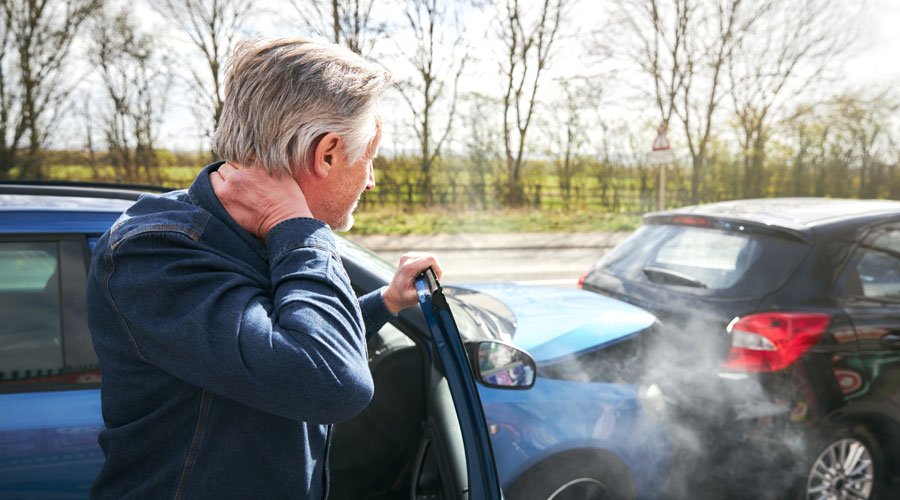
Starting July 1, 2026, Ontario is introducing the most significant auto insurance reforms in decades. The goal? To give you more choice and more control. For years, Ontario has had a “one-size-fits-all” approach to Statutory Accident Benefits (SABs). Soon, you’ll have the power to tailor your coverage to fit your unique life, budget, and the benefits you might already have through work.
In addition to making some SABs optional, the July 1 changes will also change who is covered by your insurance and which benefits (auto or workplace) pay first. Read on for details.
What are Statutory Accident Benefits (SABs)?
Statutory Accident Benefits (SABs) can provide financial support if you are injured in an auto accident. These benefits can be available regardless of who caused the accident and can cover things like medical treatment, rehabilitation and income if you can’t work because of your injuries.
What’s Changing on July 1, 2026?
1. Mandatory vs. Optional Coverage
In the past, many Statutory Accident Benefits (SABs) were automatically included in every policy. Moving forward, you can choose to keep or remove many optional coverages.
While essential medical support remains mandatory, many other benefits will become optional. This allows you to opt out of paying for coverage you don’t need or that you already have elsewhere.
Standard medical, rehabilitation and attendant care benefits will continue to be included in all auto insurance policies. These benefits are available regardless of who caused the accident. They cover medical expenses, therapy, and personal care assistance for injuries from an accident, including doctor visits, physiotherapy, and help with daily activities like bathing and dressing.
To provide drivers with more choice and flexibility, all other accident benefits will be optional, including:
- Income replacement: Helps replace income you or another covered person may lose because of an auto accident.
- Non-earner: If you or another covered person is a student or unemployed and an auto accident keeps you from leading a normal life, this benefit can provide financial support while you recover.
- Caregiver benefits: Helps cover caregiving expenses if you or another covered person is injured in an auto accident and can no longer provide care for a household member, such as a child or aging parent, who needs it.
- Lost educational expenses: If an auto accident keeps you or another covered person from attending school or an education program, this benefit can help cover the costs you have lost.
- Expenses of visitors: Helps cover reasonable and necessary expenses of visitors, such as a sibling or parents, if you or another covered person is injured in an auto accident.
- Housekeeping and home maintenance: Helps cover costs if you or another covered person is unable to perform the housekeeping and home maintenance tasks normally done before an auto accident.
- Damage to personal items: Helps cover the cost to repair or replace personal items (e.g., clothing, prescription eyewear, hearing aids, etc.) damaged in an auto accident.
- Death benefits: Compensates some family members if you or another covered person die due to an auto accident.
- Funeral benefits: Helps cover some funeral costs if you or another covered person die due to an auto accident.
Supplementary medical, rehabilitation and attendant care benefits, dependant care benefits, and indexation will continue to be optional.
2. Who is Covered?
It’s important to note that optional accident benefits will now specifically cover:
- The named insured and their spouse.
- Dependants of the named insured/spouse.
- Drivers specifically listed on the policy.
If you are involved in an accident with the following people after July 1, 2026, they will no longer be able to claim your optional benefits (like lost wages) unless they have their own auto insurance policy to turn to:
- Uninsured Passengers: Friends or extended family members riding in your car who don’t have their own car insurance.
- Uninsured Pedestrians: Someone you might accidentally hit who doesn’t own a car or live with someone who does.
- Uninsured Cyclists: Similar to pedestrians, if they don’t have a personal auto policy, they lose access to those extra supports.
If an uninsured pedestrian is injured and can’t access “Income Replacement” through your accident benefits because they aren’t on your policy, they are much more likely to sue you (a tort claim) to recover those lost wages.
This makes your Third-Party Liability coverage (the part of your insurance that protects you if you are sued) more important than ever.
3. Auto Insurance as “First Payor”
This is a win for your workplace benefits! Previously, you often had to exhaust your private work insurance before your auto insurance would kick in for medical or rehab costs.
Under the new rules, auto insurance will pay first for medical and rehabilitation expenses (except for medication). This preserves your workplace health limits for other life events unrelated to a car accident.
Why “One-Size-Fits-All” is History
Many of our clients currently pay for auto insurance benefits that overlap with their employer-provided health plans.
If you have a robust disability plan at work, you might choose to lower your auto insurance premium by opting out of the “Income Replacement” benefit. Conversely, if you are self-employed with no external benefits, keeping these optional coverages could be your most important safety net.
Important Note for Existing Customers: > When your policy renews after July 1, 2026, it will automatically keep your current coverage limits unless you tell your insurer otherwise in writing. However, the definition of who is covered under those optional benefits will change on that date.
Real-Life Scenarios: How to Choose
To help you visualize how these choices impact real people, here are a few examples:
- The Single Parent: Without employer benefits, a single parent may want to keep Income Replacement and Caregiver Benefits to ensure the family stays afloat and the kids are cared for during a recovery.
- The Self-Employed Consultant: Since they have no workplace plan, they might prioritize Income Replacement and Damage to Personal Items (to cover business equipment like laptops or hearing aids).
- The Office Worker: A person with a great workplace benefits package might choose to opt out of some optional benefits to save on their monthly premium, knowing their work plan already covers them for disability and housekeeping.
Your Next Steps: How to Prepare
We don’t want you to feel overwhelmed—we are here to help! Here is how you can get ready:
- Review your current policy: See what you’re paying for today.
- Check your work benefits: Dig out your employee handbook to see what disability or health coverage you already have.
- Think about your household: Who else drives your car? Are they listed on your policy?
- Talk to us: We can help you find the “sweet spot” between saving money and staying protected.
We’re Here to Help
Our job as your broker is to ensure you have the right protection—not just the cheapest or the most expensive, but the right one for you.
Disclaimer: This brochure is provided for informational purposes only. The information provided herein is not intended to be exhaustive, nor should it be construed as advice regarding coverage. Eligibility for coverage is not guaranteed and all coverages are limited to the terms and conditions contained in the applicable policy.