
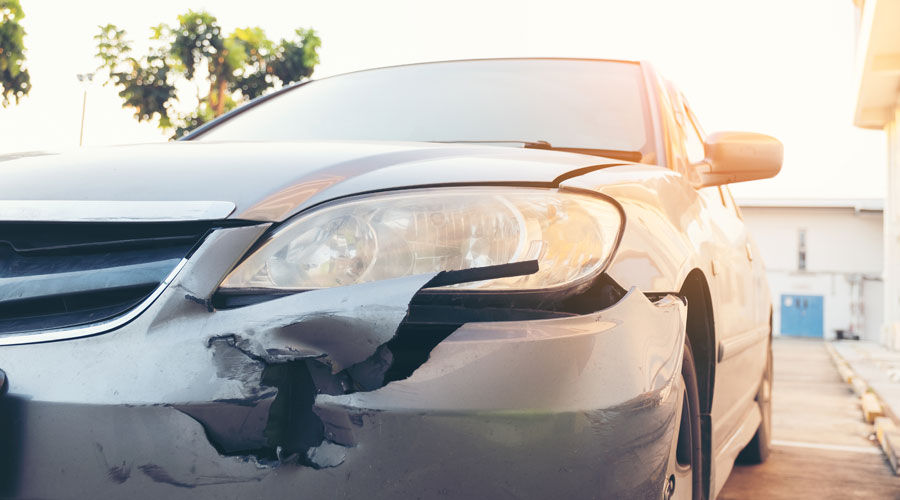
When it comes to auto insurance, most Albertans know they need liability coverage — that’s the part that helps cover others’ injuries and property damage if you are at fault in a crash. But many drivers don’t fully understand Section C, also known as Optional Physical Damage coverage, and why this recent update matters.
Here’s a breakdown.
What Is Section C Coverage?
Section C isn’t just one thing — it’s a group of optional coverages that protect your vehicle when there’s no other at-fault driver to pay for the damage:
- Collision – covers your car when you hit another vehicle or object, or rollover
- Comprehensive – covers most non-collision events. Includes everything covered by Specified Perils plus much more (e.g., vandalism, falling objects, and animal strikes).*
- Specified Perils – coverage for specifically listed risks, including fire, theft, hail and lightning (more narrow coverage than Comprehensive).**
- All Perils – combines Collision and Comprehensive into one single coverage.
Simply put:
If there’s no other driver responsible and you have Section C — your insurer helps pay for your repairs. If you don’t have Section C — you likely have to pay out of pocket.
This kind of coverage is not mandatory in Alberta, but it’s often required by lenders and is crucial peace of mind for anyone who relies on their vehicle.
Why Some Albertans Have Struggled to Get Section C
In recent years, many drivers in Alberta have had trouble securing Section C coverage in the voluntary market (regular insurance companies). This is largely linked to underwriting changes and market pressures, including Alberta’s auto insurance rate caps.
As a result, some insurers have tightened their rules. Drivers with prior claims, payment lapses, or minor infractions have found it very hard to get anything beyond basic liability. This has left many people with no protection for their own vehicle and significant financial risk.
A New Option Through the Facility Association
Effective January 1, 2026 (for new business) and February 1, 2026 (for renewals), Alberta drivers who are unable to obtain Section C coverage in the voluntary market now have a path to secure it through the Facility Association (Residual Market).
Here’s how it works:
- If your broker has shown that you were declined Section C coverage by one or more voluntary insurers, you can submit a Declaration Letter stating that decline with a Facility Association application.
- That allows the risk to be placed in the Residual Market — so you can get Section C coverage even after being declined elsewhere.
The Trade-off: Access vs. Affordability
It is important to manage expectations: this new path is a solution for access, not affordability. While this is a vital safety net, the Facility Association is the “insurer of last resort.” Because they accept the highest-risk files, their premiums are significantly higher—often double or triple what you would pay in the standard market. This option is meant to ensure you can get coverage, but it comes at a premium price. For many drivers, a Facility Association policy is a “bridge”—a way to stay protected and meet lender requirements while you work on improving your insurance record to qualify for the more affordable voluntary market in the future.
What This Means for Drivers
More access to protection
Drivers who previously had no collision or comprehensive option may now be able to get it — as long as their broker can document that they were declined in the open market.
Declarations matter
To use this new Residual Market option, a Decline Letter from the voluntary insurer is required. This means working with a broker who can help submit the proper documentation.
Peace of mind
Whether you’re financing a vehicle, leasing, or simply want to protect yourself from costly repairs, this update gives more Albertans a chance at comprehensive protection.
As the Auto Market Evolves…
It’s worth noting that Alberta’s auto insurance system continues to evolve, including the implementation of the Care-First system in 2027 and ongoing discussions around how insurers price risk and respond to regulatory changes.
For now, this development is a positive step toward broader access to essential protections, such as Section C coverage.
Have questions about your specific situation?
We’re here to help explain your options and guide you through the process — especially if you’ve been declined collision or comprehensive coverage.
*Comprehensive – Includes all of the specified perils, as well as Vandalism / Malicious Mischief, Falling or Flying Objects (non‑aircraft), Damage Caused by an Object Striking the Vehicle While It Is Not in Use, Damage from a Live Undomesticated Animal & General “Other‑Than‑Collision” Events Not Named in Specified Perils. Subject to standard exclusions.
**Specified Perils – covers the specific perils of: Fire, Lightning, Theft or attempt thereat, Windstorm, Earthquake, Hail, Explosion, Riot or civil commotion, Falling or forced landing of aircraft or parts thereof, Rising water, stranding, sinking, burning, derailment or collision of any conveyance.
Disclaimer: This brochure is provided for informational purposes only. The information provided herein is not intended to be exhaustive, nor should it be construed as advice regarding coverage. Eligibility for coverage is not guaranteed and all coverages are limited to the terms and conditions contained in the applicable policy.