
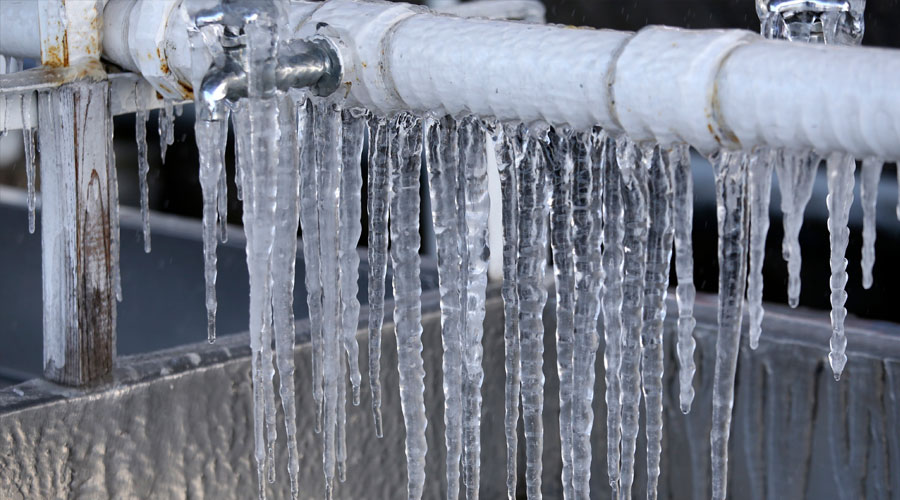
Winter brings a range of property risks for Canadian businesses—and frozen or burst pipes are among the most costly. Unlike gradual wear and tear, a frozen pipe can fail without warning, releasing large amounts of water and causing significant damage. Understanding how these incidents occur and taking proactive steps to prevent them is essential for protecting buildings, minimizing downtime and avoiding unexpected expenses.
Why Pipes Burst
When temperatures fall below freezing, the water inside pipes can solidify and expand, placing stress on pipe walls. Pipes located in unheated or poorly insulated areas—such as warehouses, mechanical rooms or service corridors—are especially vulnerable. Sudden thaws can also trigger failures; pipes weakened by ice may burst as temperatures rise, leading to flooding that can shut down operations, disrupt staff access and harm an organization’s reputation.
Risk Mitigation Tips
- Insulate exposed pipes. Use pipe insulation or foam sleeves to help maintain water temperature and prevent ice formation. Ensure insulation is properly fitted, especially in unheated areas, and replace any damaged sections promptly.
- Maintain consistent indoor temperatures. Keep interior spaces—occupied or not—above freezing, and confirm that heating systems have freeze-protection settings enabled.
- Use smart monitoring tools. Install technologies such as water leak sensors and automatic shut-off valves that can detect abnormal moisture and minimize damage in the event of a rupture.
- Perform routine maintenance. Service heating systems regularly and schedule plumbing inspections to identify early signs of deterioration before they escalate into major issues.
To reduce the risk of frozen or burst pipes, commercial property managers should consider the following measures:
Insurance Considerations
Despite strong preventive measures, losses can still occur. Commercial property owners should review their insurance policies to ensure adequate winter coverage. While property insurance often includes water damage, claims associated with insufficient maintenance may be excluded. Keeping detailed records of inspections, repairs and preventive actions can support the claims process. It may also be worthwhile to evaluate business interruption insurance, which can help cover lost income if operations are halted due to a covered flooding event.
Frozen and burst pipes pose a serious winter threat to commercial properties, but these risks can be effectively managed. By understanding how freezing conditions affect infrastructure, taking proactive protective steps and reviewing insurance coverage, organizations can safeguard their assets and maintain operational continuity throughout the cold season.