
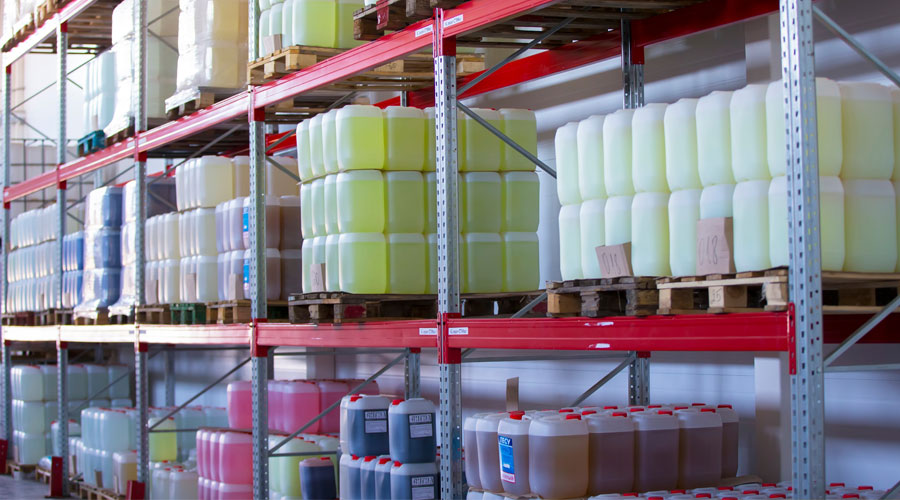
Environmental incidents can happen quickly—and the cost of cleanup often far exceeds the cost of prevention. Even minor spills can create safety hazards, disrupt operations and damage an organization’s reputation. Repeated or poorly managed incidents may also trigger regulatory scrutiny from authorities such as Environment and Climate Change Canada and the Canadian Centre for Occupational Health and Safety.
A proactive approach to pollution prevention and spill control can significantly reduce these risks. By combining safe storage practices, clear procedures and employee accountability, organizations can better protect their people, operations and environment.
Why Pollution Prevention Matters
Spills don’t just create environmental concerns—they also pose immediate workplace risks. Liquids on floors can lead to slips and falls, while hazardous substances may damage equipment, inventory and infrastructure.
Without proper controls, these incidents can result in costly downtime, legal exposure and increased insurance costs. As such, preventing pollution at the source is often the most effective and economical strategy.
Organizations can reduce risk by:
- Substituting hazardous materials with safer alternatives
- Minimizing waste through recycling or reuse
- Reducing the volume of hazardous substances stored on-site
Understanding Your Spill Risk
Before implementing controls, organizations should develop a clear understanding of their exposure. This includes:
- Identifying all fuels, oils, chemicals and waste materials on-site
- Pinpointing high-risk areas (e.g., loading docks, storage zones, mixing areas)
- Assessing where spills could spread, including drains, soil or nearby water sources
Reviewing Safety Data Sheets (SDS) can also help clarify the hazards associated with specific substances and inform response planning.
Preventing Spills at the Source
Reducing risk begins with limiting the opportunities for spills. Organizations can take proactive steps such as:
- Using smaller quantities of hazardous materials where possible
- Upgrading equipment to prevent leaks and mechanical failures
- Coordinating deliveries to avoid storing large volumes on-site
- Installing controlled dispensing systems (e.g., shut-off valves, drip trays)
Training employees on proper handling procedures is equally important for reducing human error and improving consistency.
Everyday Spill Prevention Practices
Simple, day-to-day practices can make a significant difference in reducing spill risk:
- Proper container management
Store materials in clearly labelled, durable containers and inspect them regularly for wear or damage. - Strong housekeeping standards
Maintain clean, organized workspaces to quickly identify leaks or hazards and respond promptly. - Defined roles and responsibilities
Ensure employees understand who is responsible for reporting, containing and managing spills.
Built-in Protections and Containment
Physical controls are essential for limiting the spread of spills and reducing environmental impact. Organizations should consider:
- Secondary containment systems (e.g., berms, spill pallets, dikes)
- Impermeable flooring with proper drainage design
- Covered outdoor storage areas to prevent runoff
- Strategic placement of hazardous materials away from drains and high-traffic zones
Simple Spill Response Planning
Even with strong prevention measures, incidents can still occur. A clear response plan helps minimize damage and ensures a coordinated approach.
A useful framework is the “four Cs”:
- Contain – Stop the source and prevent further spread
- Control – Secure the area and protect people nearby
- Clean up – Use proper equipment and PPE to remove contaminants safely
- Communicate – Report the incident and document details for future improvement
Spill kits and protective equipment should be easily accessible in high-risk areas and in vehicles transporting hazardous materials.
Training and Continuous Improvement
Prepared employees are key to effective spill management. Regular training should cover:
- Hazard awareness and material handling
- Spill response procedures and equipment use
- Proper storage and labelling practices
Conducting drills and reviewing past incidents or near misses can help strengthen response capabilities and prevent repeat events.
Pollution prevention and spill control are essential components of a strong risk management strategy. By understanding site-specific risks, reducing hazardous materials, implementing practical safeguards and preparing employees to respond effectively, organizations can minimize environmental impact and protect their operations.