
The Canadian commercial insurance market is entering 2026 with a continuing trend toward more buyer-friendly conditions. After years of sustained pressure, rates have been steadily softening. According to Marsh, commercial insurance rates fell by 3% in the third quarter of 2025—the seventh consecutive quarterly decline.
This downward trend is driven by increased competition among insurers and a higher “underwriting capacity” (the amount of risk insurers are willing to take on). Additionally, lower reinsurance costs for primary insurers are trickling down to policyholders, leading to more favorable renewals.
Despite this general softening, some areas remain difficult. Businesses with U.S. liability exposure face extra scrutiny due to rising large-scale verdicts, and catastrophic losses continue to threaten market stability. To secure the best rates, organizations should focus on robust risk mitigation and loss control measures and monitor the trends that could impact premiums this year.
1. Extreme Weather and Climate Risks
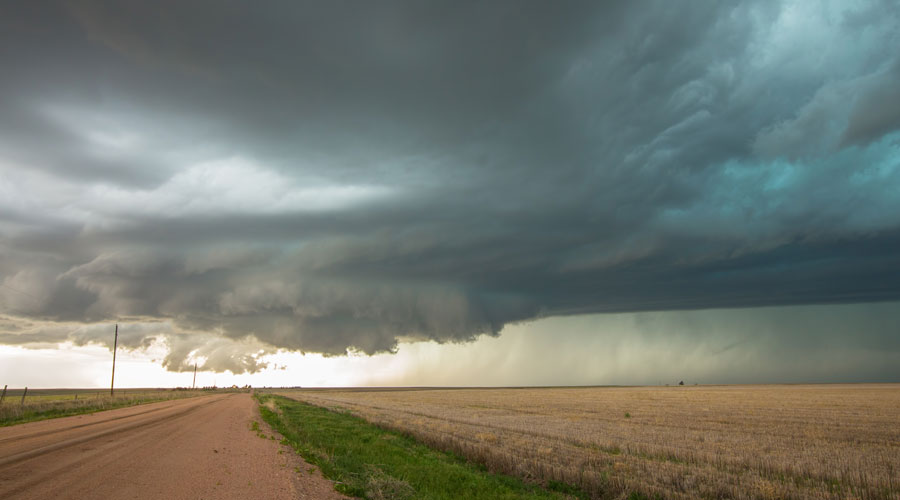
2025 was a difficult year for Canadian property owners. The wildfire season was the second-worst on record, and August storms across the Prairies caused an estimated $235 million in insured damage.
As climate change increases the frequency of these events, insurers are responding by:
- Adjusting Terms: Raising premiums or increasing deductibles for businesses in high-risk zones.
- Tightening Sublimits: Reducing the maximum amount paid out for specific types of weather damage.
What you can do: Organizations with proactive property management and risk mitigation (such as fire-resistant landscaping or protected vehicle parking for fleets) will be in the best position to negotiate favorable terms.
2. Geopolitical Instability and Trade
Global political tensions and shifting tariff policies are expected to disrupt supply chains in 2026. This volatility makes it harder and more expensive to source critical parts and supplies.
- Supply Chain Scrutiny: Underwriters will more closely examine businesses with complex or cross-border operations.
- Cyber Warfare: State-linked cyberattacks often spike during political tension, making robust cyber insurance a necessity rather than an option.
What you can do: Diversifying your supplier base and regularly reassessing your cybersecurity protocols can help build the resilience insurers are looking for.
3. The Double-Edged Sword of Technology
Advanced technology is changing the insurance landscape in complex ways, particularly in the cyber, property, and auto sectors.
- Cybersecurity: AI is allowing hackers to automate more sophisticated attacks. As a result, strict security controls are now a prerequisite for coverage. Businesses with weak defenses may face high deductibles or total exclusions.
- Smart Property: In the property sector, technology is a major plus. Using leak detection sensors and automated alarms can help you secure better premiums by reducing the severity of losses.
- Commercial Auto: While Advanced Driver Assistance Systems (ADAS) help prevent accidents, they make repairs significantly more expensive. Calibrating embedded sensors and sourcing specialized parts increases both the cost and the downtime of claims.
While the market is softening overall, stability is not guaranteed. Organizations that invest in robust risk control and stay informed on these shifting trends will be best equipped to secure favorable insurance outcomes in 2026.
Disclaimer: This blog is provided for informational purposes only. The information provided herein is not intended to be exhaustive, nor should it be construed as advice regarding coverage. Eligibility for coverage is not guaranteed, and all coverages are limited to the terms and conditions contained in the applicable policy.