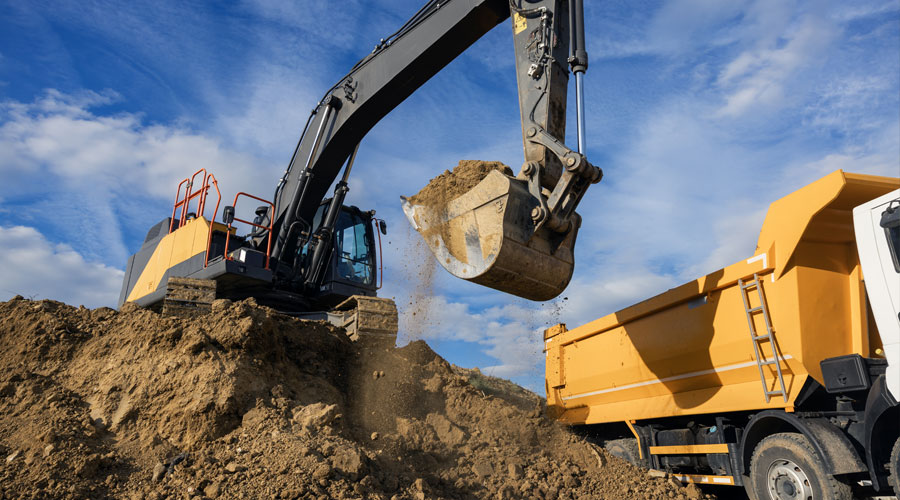
Many businesses rely on equipment every day. Whether it’s a skid steer, excavator, compressor, generator, or specialized production equipment, these assets keep projects moving and businesses operating.
Most owners know what they paid for their equipment. Far fewer know what it would cost to replace it today. Over the past several years, replacement costs have changed significantly. Inflation, supply chain disruptions, labour shortages, and longer manufacturing lead times have all increased equipment costs.
If your equipment values haven’t been reviewed recently, your asset protection strategy may no longer reflect the realities of today’s market.
Yesterday’s Purchase Price Isn’t Today’s Replacement Cost
Many businesses base equipment values on what they originally paid; however, purchase price and replacement cost are rarely the same.
A machine purchased five years ago may now cost substantially more to replace with an equivalent model. Even used equipment values have increased across many industries.
If equipment schedules aren’t updated to reflect today’s replacement costs, businesses may discover after a loss that the value assigned to a critical asset no longer reflects the cost to replace it.
What’s Actually Driving Replacement Costs Up
Inflation gets most of the attention, but it isn’t the only factor at play. Today’s replacement costs may also include:
- Manufacturer price increases
- Limited equipment availability
- Shipping and freight costs
- Currency fluctuations
- Technology improvements
- Installation and commissioning expenses
Replacing a critical piece of equipment often involves much more than purchasing the machine itself — and each of these factors can widen the gap between a policy’s scheduled value and the real cost of getting back up and running.
When Underinsurance Becomes a Cash Flow Problem
Underinsurance rarely shows up as a denied claim — it shows up as a shortfall. The policy pays out, but the payout is based on scheduled values set months or years ago, not what it actually costs to replace the equipment today. That gap becomes the business’s problem to absorb, usually at the worst possible time: right after a loss, when cash flow is already under pressure.
Some policies also apply a coinsurance penalty when scheduled values fall below a required percentage of actual replacement cost — meaning even a partial loss can be paid out at a reduced rate. A business might assume it’s “covered” and only discover the gap when a claim is already underway.
The fix isn’t a bigger policy. It’s an accurate one. Getting scheduled values aligned with real replacement cost is what determines whether a claim gets a business back to work in weeks — or leaves it financing the difference itself.
Accurate Values Protect More Than Equipment
When a critical asset can’t be replaced quickly or adequately, the consequences extend past the loss itself:
- Projects may be delayed.
- Revenue may be interrupted.
- Customer commitments may become more difficult to meet.
- Opportunities may be postponed while replacement equipment is sourced.
Make Equipment Reviews Part of Your Annual Planning
Equipment values shouldn’t only be reviewed when purchasing new assets. Businesses rarely stand still — new equipment is purchased, operations expand, projects become more complex, and replacement costs continue to change. An annual review helps identify:
- Equipment that has been added
- Assets that have been sold
- Changes in replacement costs
- Obsolete equipment
- Gaps in scheduled values
Making equipment valuations part of your annual planning helps ensure your protection strategy continues to reflect how your business operates today — not how it operated several years ago.
Questions to Consider
- When was the last time your equipment schedule was reviewed?
- Would the values listed today reflect what it would actually cost to replace those assets?
- Have you purchased equipment over the past year that may not be reflected in your current schedule?
- If a critical piece of equipment were lost tomorrow, how would it affect your ability to complete projects or serve customers?
- Does your current protection strategy reflect how your business operates today—or how it operated several years ago?
Equipment is one of your business’s most significant investments. Businesses that review their equipment values regularly are better positioned to recover with confidence when the unexpected happens. That’s not just good insurance planning — it’s good business planning.