Insurance values are usually set once a year. Tariffs don’t wait that long.
Canada imposed retaliatory tariffs of 15%, 25%, and 50% on roughly $27.6 billion in U.S. imports, effective September 8, 2026—covering steel, lumber, plywood, agricultural equipment, tower cranes and more. Steel and aluminum alone jumped to a 50% duty. For your business, that means replacement costs for property and equipment have likely shifted since your policy was set up.
The Problem: Costs Move Faster Than Renewals
The moment a new tariff applies to steel, lumber, or equipment, replacement costs shift immediately. Your policy doesn’t. A property or equipment schedule that was accurate in January can be badly out of date by September, and nothing catches that automatically at renewal. Someone has to go looking for it. Here’s what you can do to make sure you’re adequately covered.
Review Your Property Values
- Material & input costs — Have they moved in the last six months? For construction, manufacturing, and agriculture, the answer is almost certainly yes.
- Rebuild cost today — If you had a total loss today, what would it actually cost to rebuild at current prices, not last year’s?
- Inventory — Are you carrying more materials than usual right now? Many businesses bought ahead of price increases.
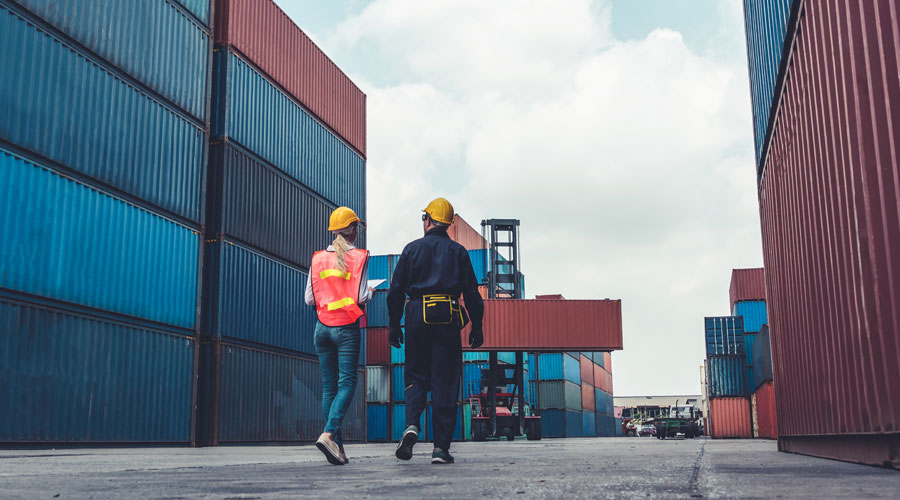
- Storage location — Where are the materials stored? Is any of it sitting in a yard, a sea can, or a rented unit that your insurer hasn’t been told about?
- Contract wording — Do your contracts include a tariff clause, and are customers actually accepting it?
Review Your Equipment Values
- Financed balances — What’s still owed on each financed or leased machine, compared to its insured value?
- Age of equipment — Which units are under three years old? These carry higher financed balances relative to depreciated value.
- Replacement availability — If a machine were written off tomorrow, could you buy the same one, and at what price?
- Lease & loan payments — What happens to those payments while equipment sits idle?
- Sourcing & lead times — Is replacement equipment coming from the U.S. or overseas, and what’s the wait now?
The Equipment Gap
Standard coverage often pays a total loss at depreciated value, while the loan on that equipment stays at full price. You’re left owing more than the machine was worth.
It gets worse: modern equipment is expensive and hard to source, so the secondhand replacement you’re counting on may not exist. And some policies apply a coinsurance penalty if scheduled values fall too far below actual replacement cost—meaning even a partial loss gets paid out at a reduced rate.
Two things close this gap:
- Full replacement cost on machines up to three years old, instead of actual cash value.
- Lease payment protection, so payments don’t continue on equipment that’s out of service.
Stockpiled, but Not Covered
Many businesses pre-bought or stockpiled materials before the tariffs came into effect.
For example: A multi-family residential builder was quoted $140,000 more for an elevator once new tariffs applied, so they bought it well in advance and stored it in a sea can until the tower was ready for it.
If the insurer was not made aware of its storage location, it is unlikely to be covered in the event of a loss.
If you have stockpiled materials sitting in places that are not on any schedule, be sure to mention it to us so we can update your coverage.
The Bottom Line
Tariffs change replacement costs immediately. Insurance schedules only change when someone reviews them. Catching that gap before a loss is a quick conversation. Catching it after is an expensive one.
If you have any questions, please reach out to us so we can make sure you have the coverage you need.