
-

Addressing Common Sources of General Liability Claims
Routine business activities can sometimes lead to unexpected incidents that expose organizations to general liability claims. A customer may slip on a wet floor, a visitor could trip on uneven pavement or an employee might accidentally damage a client’s property. Even seemingly minor events can disrupt operations, create financial strain and increase insurance costs—particularly for…
-

Manufacturing Sector Trends to Watch in 2026
Canada’s manufacturing sector is navigating a period of economic pressure, workforce challenges and rapid technological change in 2026. While modest growth is projected, many organizations are expected to operate below capacity amid fluctuating demand and rising costs. Manufacturers that remain proactive—focusing on operational efficiency, workforce development and risk mitigation—will be better positioned to manage uncertainty…
-

Business Continuity Planning Myths Debunked
Business continuity plans (BCPs) are designed to help organizations prepare for, respond to and recover from unexpected disruptions. By outlining clear strategies to protect employees, operations and critical assets, these plans play a vital role in organizational resilience. Despite their importance, several misconceptions persist about business continuity planning. These myths can lead employers to delay…
-

Best Practices for Responding to General Liability Claims
Incidents can arise during routine business operations, exposing organizations to potential general liability claims. A customer may slip and fall, a visitor could be injured on-site, or a contractor might accidentally damage property. Even a single claim can disrupt operations, strain financial resources and influence future insurance premiums. How an organization responds in the immediate…
-

Alberta’s New “Care-First” Auto Insurance: What You Need to Know for 2027
Big changes are coming to how Albertans are protected on the road. The Alberta government has introduced a new auto insurance model called Care-First, set to take effect on January 1, 2027. As your insurance broker, we want to ensure you understand how this new “no-fault” approach works, how it differs from the current system, and what it…
-

Putting You in the Driver’s Seat: Big Changes to Ontario Auto Insurance
Starting July 1, 2026, Ontario is introducing the most significant auto insurance reforms in decades. The goal? To give you more choice and more control. For years, Ontario has had a “one-size-fits-all” approach to Statutory Accident Benefits (SABs). Soon, you’ll have the power to tailor your coverage to fit your unique life, budget, and the benefits you…
-

Group Benefits vs. Individual Coverage: What Employers Need to Know
*This post is from CMB partner Finuity Wealth. Find out more about group benefit solutions here. Many business owners eventually ask the same question: “If my employees can buy their own insurance, do I really need a group benefits plan?” It is a fair question, especially when premiums are rising and every cost line is under…
-

2026 Outlook: Key Disruptors in the Canadian Insurance Market
The Canadian commercial insurance market is entering 2026 with a continuing trend toward more buyer-friendly conditions. After years of sustained pressure, rates have been steadily softening. According to Marsh, commercial insurance rates fell by 3% in the third quarter of 2025—the seventh consecutive quarterly decline. This downward trend is driven by increased competition among insurers…
-

Understanding Section C (Optional Physical Damage) Auto Coverage — and What’s Changing in Alberta
When it comes to auto insurance, most Albertans know they need liability coverage — that’s the part that helps cover others’ injuries and property damage if you are at fault in a crash. But many drivers don’t fully understand Section C, also known as Optional Physical Damage coverage, and why this recent update matters. Here’s a breakdown. What Is Section C Coverage? Section C…
-

The Link Between Workplace Safety and Sustainability
Environmental, social and governance (ESG) expectations continue to rise, and organizations are under increasing scrutiny for how they manage environmental impacts. While sustainability is often viewed through a regulatory or reputational lens, it also plays a critical role in workplace safety. Poor environmental practices can directly expose employees to health hazards, increase illness-related absences and…
-

Key Trends Shaping the Construction Sector in 2026
The construction industry continues to evolve in response to economic, environmental, and technological pressures. As 2026 unfolds, construction employers should stay informed of emerging trends and adjust their risk management strategies to remain competitive, resilient, and compliant. The following developments are expected to have a meaningful impact on the sector in the year ahead. 1….
-

How to Support Employee Mental Health Without Adding Cost
*This post is from CMB partner Finuity Wealth. Find out more about group benefit solutions here. The Growing Importance of Mental Health Mental health is becoming a top priority for employers—and for good reason. Poor mental health can increase absenteeism, reduce productivity, and lower morale, all of which impact your bottom line. Yet many businesses believe…
-

Important Update: Alberta Auto Insurance Changes – Introducing Care-First
Effective January 1, 2027 The new model, called Care-First, is designed to improve access to care and support for individuals injured in automobile accidents, regardless of fault. What is Care-First? Care-First is a new approach to auto insurance in Alberta that prioritizes timely access to medical treatment, rehabilitation, and income replacement benefits for injured individuals. This…
-

Why It’s Risky to Leave Business Succession Undocumented
*This post is from CMB partner Finuity Wealth. Find out more about group benefit solutions here. Protecting against conflict, disruption, and unplanned exits In the early years of building a business, the focus is naturally on growth, hiring, and daily operations. But as your business matures and gains value, the risk of leaving succession undocumented grows….
-

Why Adding Drivers Matters
Don’t Put Your Business at Risk: Ensure All Employees Are Properly Listed and Eligible as Drivers The Issue Many businesses overlook adding employees to their commercial auto policy. If an employee isn’t listed, insurers may not recognize their driving history. This can lead to coverage gaps, higher costs, and unnecessary complications. Another common issue is…
-

Protecting Against AI Chatbot Errors
AI chatbots are increasingly used by organizations to improve efficiency, enhance customer service, and support round-the-clock engagement. While these tools can deliver meaningful benefits, they also introduce new operational, legal, and reputational risks if not properly governed. As adoption accelerates, business leaders must understand where chatbot vulnerabilities lie and take steps to manage them proactively….
-

Vendor Email Compromise: Understanding the Risk and Strengthening Your Defences
Vendor relationships are essential to business continuity—but they can also create new cyber exposures. One growing threat is vendor email compromise (VEC), a sophisticated form of supply chain fraud in which cybercriminals impersonate trusted partners or suppliers. By exploiting existing business relationships, attackers can manipulate payments, steal sensitive data and disrupt operations with little warning….
-

Avoiding Common Mistakes in Employee AI Training
As artificial intelligence (AI) tools become more deeply embedded in workplace operations, many organizations are encouraging employees to integrate these technologies into their daily tasks. Yet a growing disconnect exists between employer expectations and employee readiness. A recent Robert Half survey found that 4 in 10 Canadian workers feel pressured to adopt AI in their…
-

Preventing Frozen and Burst Pipes in Commercial Properties
Winter brings a range of property risks for Canadian businesses—and frozen or burst pipes are among the most costly. Unlike gradual wear and tear, a frozen pipe can fail without warning, releasing large amounts of water and causing significant damage. Understanding how these incidents occur and taking proactive steps to prevent them is essential for…
-

Understanding Shadow IT: Benefits, Risks, and How to Manage It
As organizations continue to advance their digital capabilities, more employees are turning to tools and technologies that fall outside their company’s formal IT oversight. From personal devices used to access corporate systems to unapproved apps, file-sharing platforms, or cloud storage accounts, this unsanctioned technology use—known as shadow IT—has become increasingly common. Remote and hybrid work…
-

Underinsurance: Causes and Consequences
Adequate insurance coverage is an essential part of strong risk management. Just one uncovered loss can trigger severe financial strain, disrupt operations, and jeopardize long-term business stability. Despite these potential impacts, underinsurance remains a common—and often underestimated—exposure. Whether driven by outdated valuations or cost-cutting decisions, insufficient coverage can leave organizations vulnerable. Business owners should understand…
-

Reducing Slips, Trips, and Falls in the Workplace
Slips, trips, and falls are among the most common causes of workplace injuries in Canada. According to the Canadian Centre for Occupational Health and Safety, over 42,000 workers are injured each year due to falls, with two-thirds occurring at ground level. These incidents can result in significant costs for employers, including lost productivity, compensation claims, and operational disruptions….
-

Equipment Maintenance for Manufacturing Facilities: A Proactive Checklist
Manufacturing facilities rely heavily on complex machinery and equipment. While these tools keep production running, they also introduce risks if not properly maintained. Neglecting equipment maintenance can lead to malfunctions, production delays, safety hazards, regulatory penalties, and even reputational damage. To maintain smooth operations and protect both workers and the bottom line, it’s essential to…
-

Combatting Fatigue During Shift Work in Manufacturing
Fatigue is more than just feeling tired—it’s a decline in mental and physical performance caused by prolonged exertion, sleep disruption, and shifts that disrupt the body’s natural rhythm. In manufacturing settings, fatigue can show up as slower reaction times, reduced focus, and poor decision-making, which can affect both productivity and safety. According to the Conference Board of Canada,…
-
CMB Named a Top Insurance Employer in Canada for the Fourth Year in a Row
We’re proud to share that CMB Insurance Brokers has once again been recognized as one of Canada’s Top Insurance Employers by Insurance Business Canada—marking our fourth consecutive year receiving this distinction. CMB was selected in the 101–500 employee category, which highlights some of the country’s most forward-thinking and employee-focused firms. This award is especially meaningful because it reflects direct feedback from our team members,…
-

4 Hazards to Watch For on Construction Sites
Construction sites are dynamic and fast-paced environments—and they present some of the most serious safety risks in any industry. From working at heights to operating heavy machinery, construction workers face hazards every day that require constant awareness and proper safety measures. According to the Workers’ Compensation Board of British Columbia, more than 1,000 construction workers…
-

Understanding and Preventing Fleet Fraud
For businesses that rely on vehicles—whether a few service vans or an entire fleet of transport trucks—fraud is an often-overlooked but serious risk. Fleet fraud refers to a range of deceptive practices that can occur during the purchase, operation, or maintenance of company vehicles. Beyond the immediate financial impact, these scams can disrupt business operations, increase insurance…
-

How to Build a Group Benefits Plan That Scales with Your Growing Business
*This post is from CMB partner Finuity Wealth. Find out more about group benefit solutions here. As your business grows, so do the expectations of your team—and the demands on your group benefits plan. What may have worked in the early stages can quickly start to strain under the weight of a larger, more complex organization….
-

The Future of Hybrid Work
When the COVID-19 pandemic upended traditional office life, organizations around the world had to adapt quickly. Hybrid work emerged as a practical solution—combining remote flexibility with the collaboration and connection of in-person work. Employees learned to navigate virtual tools and flexible schedules, while employers refined policies to maintain productivity and engagement. What started as a temporary adjustment has now…
-

How Life Insurance Can Solve Family Inheritance Challenges for Legacy Assets
*This post is from CMB partner Finuity Wealth. Find out more about group benefit solutions here. For many Canadians, the assets they hope to pass down—like a second property, family business, or recreational land—carry far more than financial value. They represent legacy, identity, and shared memories. But when it comes time to pass these assets on,…
-

Winter-proofing Your Home
As the cold weather sets in, taking time to prepare your home for winter can make a big difference. A few simple steps now can help keep your space warm and comfortable, protect your property from damage, and prevent costly surprises later on. Proactive winter-proofing not only saves energy and reduces bills but also helps…
-

5 Workplace Safety Trends to Watch For
Ensuring employee safety and reducing the risk of workplace accidents remain top priorities for organizations across all sectors. While many aspects of occupational safety are longstanding, the field is constantly evolving. To stay ahead, employers need to be aware of emerging trends and adapt their risk management strategies accordingly. Here are five key trends currently…
-

5 Cybersecurity Mistakes and How to Avoid Them
According to cybersecurity company Proofpoint, 68% of working adults in Canada admit to taking risky actions, such as reusing or sharing passwords, clicking on links from unknown senders, or handing over their credentials to an untrustworthy source. Understanding how to avoid such cybersecurity mistakes is essential to minimizing risk. All organizations, regardless of their size…
-

Fostering a Safety Culture Checklist
In recent years, more employers have moved past the old idea that safety programs only apply to certain industries or departments—or that their only purpose is to prevent injuries. Today, it’s widely understood that a strong safety culture benefits every part of an organization. Beyond protecting employees, it helps boost morale, build stakeholder trust, improve…
-

Playing Your Part in Workplace Accident Prevention
Workplace accidents can happen at any time, often when you least expect them. However, many incidents are preventable with the right mindset, safe working practices and a commitment to precaution. Causes of accidents can almost always be traced to a dangerous act, an unsafe condition or a combination of the two. In most instances, an…
-
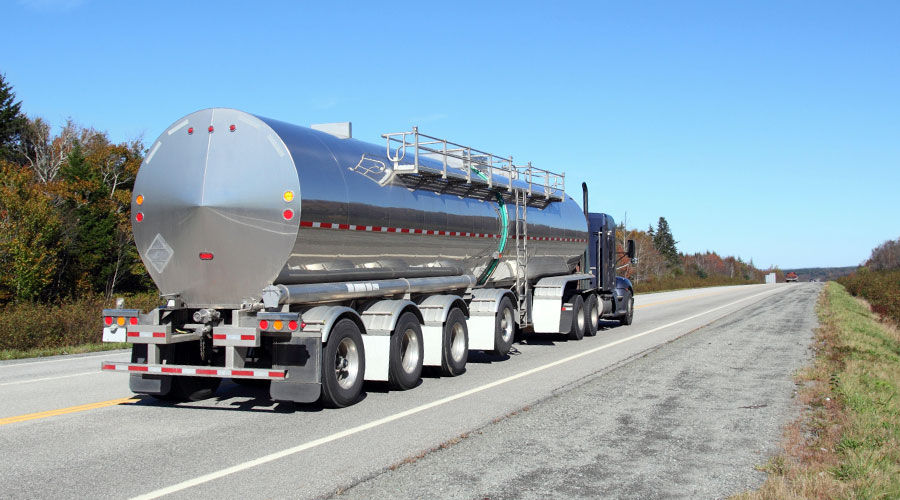
Cargo Spill Prevention Strategies
A cargo spill occurs when goods, liquids, or raw materials unintentionally escape from a truck or other freight vehicle while on the road. Almost any type of load can spill, but common examples include large machinery, bulk dry goods (such as grain, gravel, or sand), packaged items, livestock, and hazardous materials like chemicals, oil, or…
-

Protecting Your Business From AI Chatbot Errors
For many businesses, operational efficiency and great customer service go hand in hand. That’s why more organizations are turning to artificial intelligence (AI) chatbots. From answering customer questions to troubleshooting tech issues, these tools offer real advantages—speed, scalability, and 24/7 availability. They can even help with sales by recommending products, engaging prospects, and identifying qualified…
-

Understanding the Importance of GAP Coverage
For many people, purchasing a vehicle—whether brand new or new-to-you—is one of the biggest financial commitments they’ll make. But here’s something many drivers don’t realize: the moment you drive your car off the lot, it begins to lose value. According to industry experts, vehicles typically depreciate by about 20% in the first year alone, and then…
-
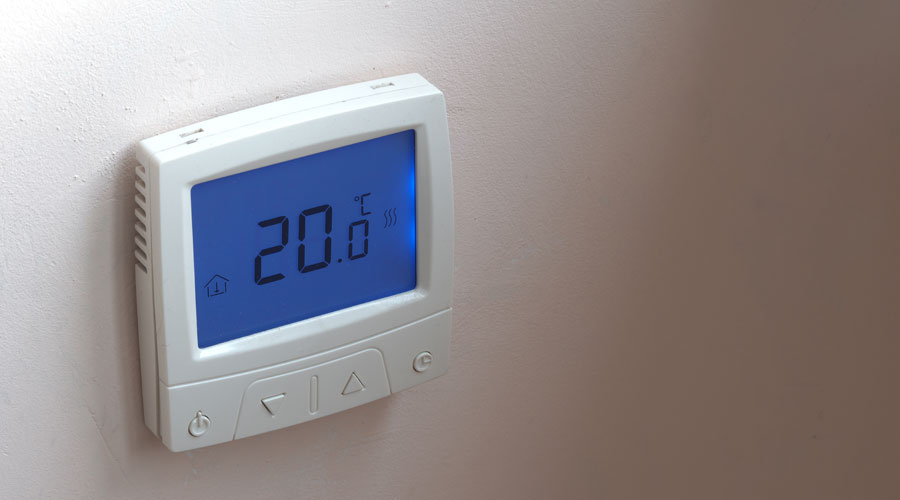
6 Strategies for Reducing Your Heating Bill This Winter
When the cold weather sets in, most of us rely heavily on our home’s heating systems to stay comfortable. But as temperatures drop, energy use climbs—and so do monthly bills. For many households, this increase can put significant pressure on the family budget. In fact, a Statistics Canada study found that 1 in 7 Canadians have…
-

Protecting Your Home From Electrical Hazards
Electricity is at the heart of modern life. From lighting and heating to powering our favourite devices, it’s something we rarely think twice about—until a problem arises. Unfortunately, electrical hazards are a leading cause of residential fires and can result in devastating injuries, property damage, and costly insurance claims. According to the National Fire Information…